Buy digi4equality.eu ?
We are moving the project
digi4equality.eu .
Are you interested in purchasing the domain
digi4equality.eu ?
domain@kv-gmbh.de · 0541-91531010
Buy digi4equality.eu ?
Lower classifications of crustaceans
Lower classifications of crustaceans include groups such as Malacostraca, Branchiopoda, Maxillopoda, and Remipedia. These groups are further divided into various orders, families, and species. Each lower classification has unique characteristics and adaptations that help them thrive in different aquatic environments. Studying these lower classifications helps scientists understand the diversity and evolution of crustaceans. **
How can one breed prehistoric crustaceans?
Breeding prehistoric crustaceans would require a deep understanding of their natural habitat, behavior, and dietary needs. It would also involve creating an environment that closely mimics the conditions of the prehistoric era, including water temperature, salinity, and oxygen levels. Additionally, it would be important to source the specific species of prehistoric crustaceans and ensure that they are not endangered or protected. Finally, careful monitoring and maintenance of the breeding environment would be necessary to ensure the health and reproduction of the crustaceans. **


Similar search terms for Crustaceans
Top-Angebote
Products related to Crustaceans:
-
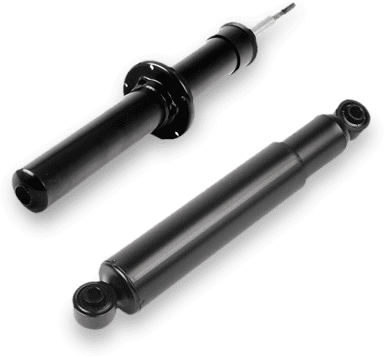
Magnum Technology AG0547MT Shock absorberShock Absorber Design: Suspension Strut; Shock Absorber System: Twin-Tube; Shock Absorber Type: Gas Pressure; Parameter: SFE30X; Fitting Position: Front Axle Right; Shock Absorber Mounting Type: Top pin; Suspension: for vehicles with standard suspension; for OE number: 54661-2L000, 54661-2L100, 54661-2L200, 54661-2L500, 54661-2L60051,99 £*Shipping: 8,45 £Secure redirect to the provider
-
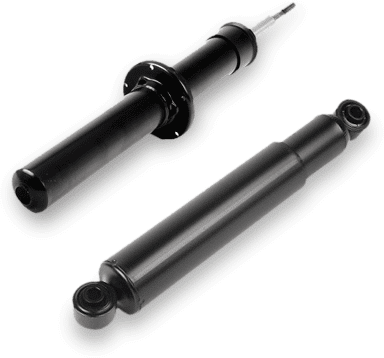
Magnum Technology M0122 Shock absorberFitting Position: Rear Axle, Front Axle Left, Front Axle Right; Shock Absorber Type: Oil Pressure; Shock Absorber Mounting Type: Top eye, Bottom eye; Length 2 [mm]: 520,8, 865,5; Shock Absorber Design: Telescopic Shock Absorber155,98 £*Shipping: 8,45 £Secure redirect to the provider
-
Magnum Technology APM025MT Shock absorberShock Absorber Type: Oil Pressure; Shock Absorber Mounting Type: Top yoke; Shock Absorber Design: Telescopic Shock Absorber; Fitting Position: Rear Axle Left; Vehicle Equipment Line/Trim Level: Airmatic; Braking/Driving Dynamics: for vehicles with ADS407,99 £*Shipping: 1,99 £Secure redirect to the provider

-
How long do prehistoric crustaceans live?
The lifespan of prehistoric crustaceans varied depending on the species. Some prehistoric crustaceans, such as the horseshoe crab, are known to have existed for hundreds of millions of years, making them one of the oldest living species on Earth. Other prehistoric crustaceans may have had shorter lifespans, but due to the limited fossil record, it is difficult to determine the exact lifespan of all prehistoric crustaceans. Overall, prehistoric crustaceans were able to survive and thrive for millions of years, adapting to changing environmental conditions and evolving alongside other ancient species. **
-
What are prehistoric crustaceans as a gift?
Prehistoric crustaceans as a gift could refer to fossils or replicas of ancient crustaceans that lived millions of years ago. These could include creatures such as trilobites, ancient shrimp, or other early crustaceans that are now extinct. These gifts could be of interest to paleontologists, collectors, or anyone fascinated by prehistoric life. They provide a unique and educational gift option for those interested in natural history and the evolution of life on Earth. **
-
How do I properly breed prehistoric crustaceans?
To properly breed prehistoric crustaceans, you will need to create an environment that closely mimics their natural habitat. This includes providing a suitable tank with the right water conditions, temperature, and pH levels. You will also need to ensure that the crustaceans have access to the right food sources and hiding places. It's important to research the specific species of prehistoric crustaceans you are breeding to understand their unique needs and behaviors. Additionally, monitoring water quality and maintaining a clean environment is crucial for the health and successful breeding of prehistoric crustaceans. **
-
What concerns are there when raising prehistoric crustaceans?
When raising prehistoric crustaceans, some concerns may include ensuring they have the proper environment and conditions to thrive, such as appropriate water quality and temperature. Another concern is providing them with a suitable diet that mimics their natural food sources. Additionally, it is important to monitor their growth and behavior closely to address any health issues or aggression that may arise in a communal setting. **


Why don't prehistoric crustaceans hatch in my case?
Prehistoric crustaceans do not hatch in your case because they require specific environmental conditions to hatch and develop. These conditions may include a certain temperature, water quality, and oxygen levels, which may not be present in your case. Additionally, prehistoric crustaceans may require specific nutrients and food sources that are not available in your case. Finally, prehistoric crustaceans may not be present in your case in the first place, as they are typically found in natural aquatic environments. **
What are the differences between crustaceans and spiders?
Crustaceans and spiders belong to different classes within the phylum Arthropoda. Crustaceans, such as crabs and shrimp, have a distinct body structure with two pairs of antennae and two body segments: the cephalothorax and abdomen. They also have gills for breathing and typically live in aquatic environments. Spiders, on the other hand, have a two-part body consisting of the cephalothorax and abdomen, with four pairs of legs and no antennae. They also have spinnerets for producing silk and are predominantly terrestrial. Additionally, spiders are arachnids, while crustaceans are not. **
Top-Angebote
Products related to Crustaceans:
-
SAGE Publications A Little Guide for Teachers: Diversity in Schools (A Little Guide for Teachers)A Little Guide for Teachers: Diversity in Schools aims to provide starting points for teachers and leaders in creating a curriculum, either across disciplines or within subjects, that is as deep and diverse as their students. The Little Guide for Teachers series is little in size but BIG on all the support and inspiration you need to navigate your day to day life as a teacher. · Authored by experts in the field · Easy to dip in-and-out of · Interactive activities encourage you to write into the book and make it your own · Fun engaging illustrations throughout · Read in an afternoon or take as long as you like with it!12,99 £*Shipping: 2,99 £Secure redirect to the provider
-
Youfap Market DIY Digital Cyber Hourglass Birthday Gift, Interactive LED Hourglass For Kids, Cyber Style With Glowing Technology square RedTransform the ordinary into something extraordinary with the DIY Digital Cyber Hourglass! This innovative toy brings a futuristic glow to any room, making it the perfect birthday gift for kids who love unique, techinspired gadgets. With its striking...59,97 $*Shipping: 0,00 $Secure redirect to the provider
-
Magnum Technology AG0547MT Shock absorberShock Absorber Design: Suspension Strut; Shock Absorber System: Twin-Tube; Shock Absorber Type: Gas Pressure; Parameter: SFE30X; Fitting Position: Front Axle Right; Shock Absorber Mounting Type: Top pin; Suspension: for vehicles with standard suspension; for OE number: 54661-2L000, 54661-2L100, 54661-2L200, 54661-2L500, 54661-2L60051,99 £*Shipping: 8,45 £Secure redirect to the provider
-
Magnum Technology M0122 Shock absorberFitting Position: Rear Axle, Front Axle Left, Front Axle Right; Shock Absorber Type: Oil Pressure; Shock Absorber Mounting Type: Top eye, Bottom eye; Length 2 [mm]: 520,8, 865,5; Shock Absorber Design: Telescopic Shock Absorber155,98 £*Shipping: 8,45 £Secure redirect to the provider
-
Lower classifications of crustaceans
Lower classifications of crustaceans include groups such as Malacostraca, Branchiopoda, Maxillopoda, and Remipedia. These groups are further divided into various orders, families, and species. Each lower classification has unique characteristics and adaptations that help them thrive in different aquatic environments. Studying these lower classifications helps scientists understand the diversity and evolution of crustaceans. **
-
How can one breed prehistoric crustaceans?
Breeding prehistoric crustaceans would require a deep understanding of their natural habitat, behavior, and dietary needs. It would also involve creating an environment that closely mimics the conditions of the prehistoric era, including water temperature, salinity, and oxygen levels. Additionally, it would be important to source the specific species of prehistoric crustaceans and ensure that they are not endangered or protected. Finally, careful monitoring and maintenance of the breeding environment would be necessary to ensure the health and reproduction of the crustaceans. **
-
How long do prehistoric crustaceans live?
The lifespan of prehistoric crustaceans varied depending on the species. Some prehistoric crustaceans, such as the horseshoe crab, are known to have existed for hundreds of millions of years, making them one of the oldest living species on Earth. Other prehistoric crustaceans may have had shorter lifespans, but due to the limited fossil record, it is difficult to determine the exact lifespan of all prehistoric crustaceans. Overall, prehistoric crustaceans were able to survive and thrive for millions of years, adapting to changing environmental conditions and evolving alongside other ancient species. **
-
What are prehistoric crustaceans as a gift?
Prehistoric crustaceans as a gift could refer to fossils or replicas of ancient crustaceans that lived millions of years ago. These could include creatures such as trilobites, ancient shrimp, or other early crustaceans that are now extinct. These gifts could be of interest to paleontologists, collectors, or anyone fascinated by prehistoric life. They provide a unique and educational gift option for those interested in natural history and the evolution of life on Earth. **
Similar search terms for Crustaceans
-
Magnum Technology APM025MT Shock absorberShock Absorber Type: Oil Pressure; Shock Absorber Mounting Type: Top yoke; Shock Absorber Design: Telescopic Shock Absorber; Fitting Position: Rear Axle Left; Vehicle Equipment Line/Trim Level: Airmatic; Braking/Driving Dynamics: for vehicles with ADS407,99 £*Shipping: 1,99 £Secure redirect to the provider
-
Magnum Technology SB132 Coil springFitting Position: Rear Axle; Parameter: E; Spring Design: Coil Spring; Thickness 1 [mm]: 13,2; Outer Diameter [mm]: 121; Length [mm]: 377; Diameter: 13,25; Vehicle Equipment: for vehicles with trailer hitch; Suspension: for vehicles without sports suspension99,98 £*Shipping: 8,45 £Secure redirect to the provider
-
Youfap Market DIY Digital Cyber Hourglass Birthday Gift, Interactive LED Hourglass For Kids, Cyber Style With Glowing Technology square YellowTransform the ordinary into something extraordinary with the DIY Digital Cyber Hourglass! This innovative toy brings a futuristic glow to any room, making it the perfect birthday gift for kids who love unique, techinspired gadgets. With its striking...59,97 $*Shipping: 0,00 $Secure redirect to the provider
-
How do I properly breed prehistoric crustaceans?
To properly breed prehistoric crustaceans, you will need to create an environment that closely mimics their natural habitat. This includes providing a suitable tank with the right water conditions, temperature, and pH levels. You will also need to ensure that the crustaceans have access to the right food sources and hiding places. It's important to research the specific species of prehistoric crustaceans you are breeding to understand their unique needs and behaviors. Additionally, monitoring water quality and maintaining a clean environment is crucial for the health and successful breeding of prehistoric crustaceans. **
-
What concerns are there when raising prehistoric crustaceans?
When raising prehistoric crustaceans, some concerns may include ensuring they have the proper environment and conditions to thrive, such as appropriate water quality and temperature. Another concern is providing them with a suitable diet that mimics their natural food sources. Additionally, it is important to monitor their growth and behavior closely to address any health issues or aggression that may arise in a communal setting. **
-
Why don't prehistoric crustaceans hatch in my case?
Prehistoric crustaceans do not hatch in your case because they require specific environmental conditions to hatch and develop. These conditions may include a certain temperature, water quality, and oxygen levels, which may not be present in your case. Additionally, prehistoric crustaceans may require specific nutrients and food sources that are not available in your case. Finally, prehistoric crustaceans may not be present in your case in the first place, as they are typically found in natural aquatic environments. **
-
What are the differences between crustaceans and spiders?
Crustaceans and spiders belong to different classes within the phylum Arthropoda. Crustaceans, such as crabs and shrimp, have a distinct body structure with two pairs of antennae and two body segments: the cephalothorax and abdomen. They also have gills for breathing and typically live in aquatic environments. Spiders, on the other hand, have a two-part body consisting of the cephalothorax and abdomen, with four pairs of legs and no antennae. They also have spinnerets for producing silk and are predominantly terrestrial. Additionally, spiders are arachnids, while crustaceans are not. **
* All prices are inclusive of VAT and, if applicable, plus shipping costs. The offer information is based on the details provided by the respective shop and is updated through automated processes. Real-time updates do not occur, so deviations can occur in individual cases. ** Note: Parts of this content were created by AI.