Buy digi4equality.eu ?
We are moving the project
digi4equality.eu .
Are you interested in purchasing the domain
digi4equality.eu ?
domain@kv-gmbh.de · 0541-91531010
Buy digi4equality.eu ?
What are functional organs and machine organs?
Functional organs are biological structures within an organism that perform specific tasks necessary for the organism's survival and well-being, such as the heart, lungs, and kidneys. Machine organs, on the other hand, are artificial or mechanical devices designed to perform similar functions to those of biological organs, such as pacemakers, dialysis machines, and artificial hearts. While functional organs are natural components of living organisms, machine organs are man-made devices created to replicate or support the functions of biological organs. **
Can organs burst?
Yes, organs can burst under certain circumstances. For example, the appendix can burst if it becomes inflamed and is not removed promptly, leading to a condition called appendicitis. Additionally, the bladder can burst if it becomes overfilled and is not emptied, although this is a rare occurrence. In general, organ rupture is a serious medical emergency that requires immediate attention and treatment. **

Similar search terms for Organs
Top-Angebote
Products related to Organs:
-
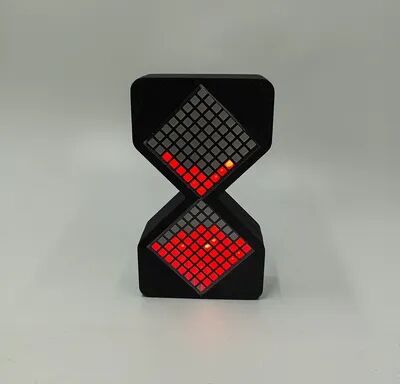
Youfap Market DIY Digital Cyber Hourglass Birthday Gift, Interactive LED Hourglass For Kids, Cyber Style With Glowing Technology square RedTransform the ordinary into something extraordinary with the DIY Digital Cyber Hourglass! This innovative toy brings a futuristic glow to any room, making it the perfect birthday gift for kids who love unique, techinspired gadgets. With its striking...59,97 $*Shipping: 0,00 $Secure redirect to the provider
-
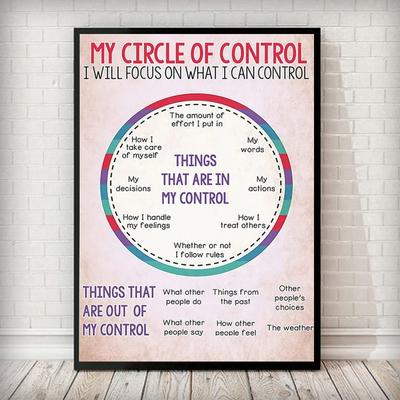
Uplifted Finds The Control Circle Archetype Social Worker Empowerment Canvas Executive Office & Wellness Sanctuary Decor 13 X 18 Cm No Frame"Inaugurate a grounding ""MindfulnessSanctuary"" energy in your environment with our ""Control Circle"" Archetype Canvas. This premium Social Worker and Mental Health professional print is the ultimate designer solution for creating a ""ClinicalModern"" or..."41,97 $*Shipping: 0,00 $Secure redirect to the provider
-
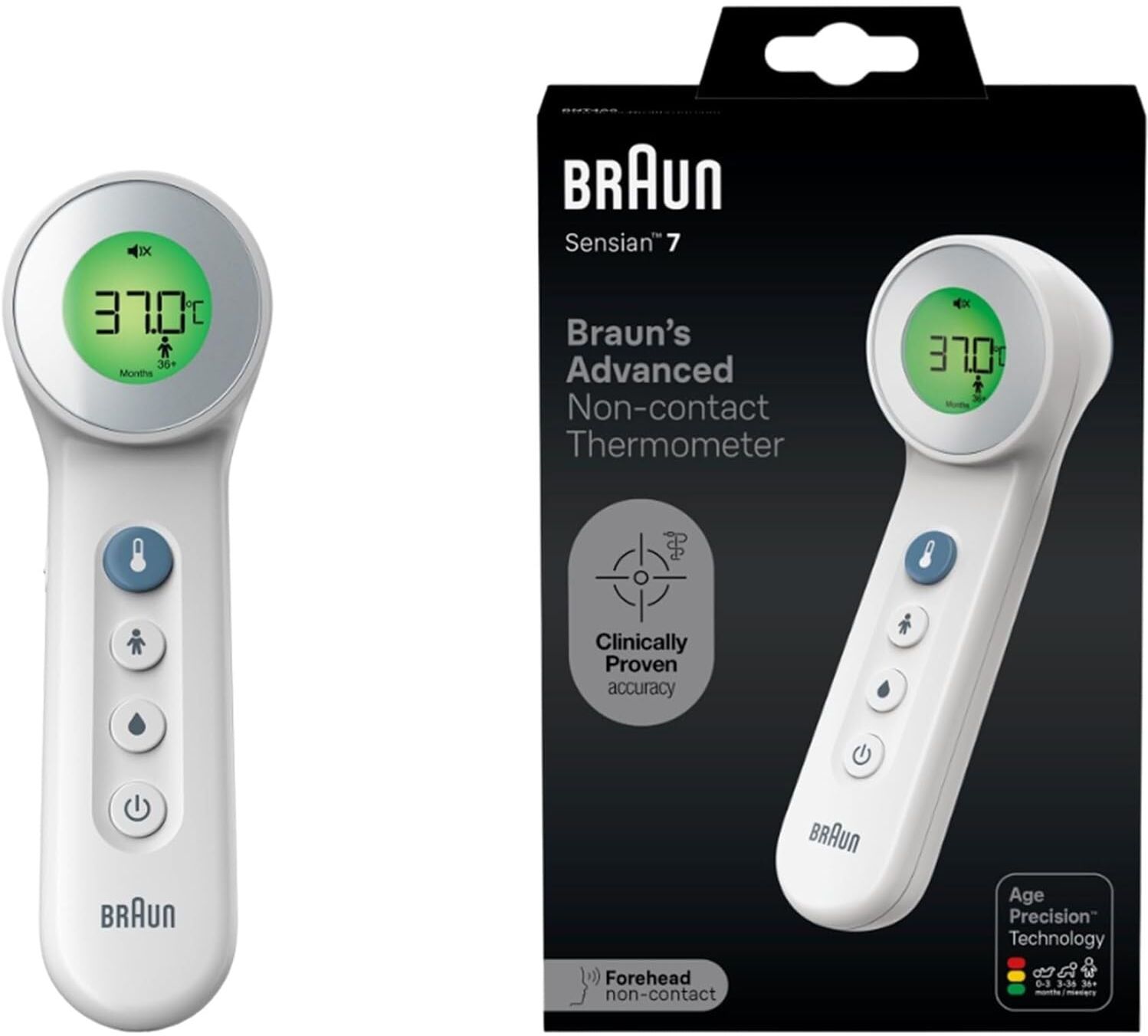
Braun Sensian 7 Forehead non-contact thermometer - Age Precision Technology - 3-in-1 Colour-Coded Digital Display - Baby and Child Friendly - BNT400B, New✅ Braun Sensian 7 Forehead Thermometer – BNT400B Model: BNT400B Type: Non-Contact Forehead Thermometer Technology: Age Precision™ Use: Baby, Child & Adult Take the stress out of temperature checks with the Braun Sensian 7 BNT400B Forehead Thermometer – the smart, gentle, and hygienic way to monitor your family’s health. ✅ No-Touch & Touch Mode Designed for maximum convenience, this thermometer offers dual measurement modes : No-touch mode : Read temperature without disturbing your child (ideal for sleeping babies). Touch mode : Simply place it gently on the forehead for a quick reading. ✅ Age Precision™ Technology Not all fevers are the same across age groups. With Braun’s unique Age Precision™ setting, you can select the age of the person (0-3 months, 3-36 months, or 36+ months), and the thermometer will interpret the reading accordingly to give a more accurate guidance. ✅ Colour-Coded Fever Guidance Quickly understand the result with a colour-coded digital display : ✅ Green – Normal temperature ⚠️ Yellow – Elevated temperature ❗ Red – High fever Perfect for giving you instant peace of mind when you need it most. ✅ 3-in-1 Functionality A truly versatile health device: Forehead temperature reading Object temperature – Check baby’s bottle, food, or bathwater Room temperature – Ensure the nursery is just right ✅ Silent Mode for Night-Time Checks Use the silent mode and backlit display to take readings in the dark without waking your child – ideal for late-night checks. ✅ Fast & Accurate Readings Delivers a precise result in just 2 seconds , powered by Braun’s trusted German-engineered sensor technology for clinical accuracy. ✅ Hygienic & Safe No probe covers needed Non-invasive and gentle – Ideal for babies and toddlers Easy to clean and use daily ✅ Ideal For: Parents with babies, toddlers, and young children Home use for all family members Safe, quick temperature checks without stress or discomfort Make health checks easier, faster, and more accurate with the Braun Sensian 7 BNT400B – your trusted partner in family wellness.37,49 £*Shipping: 0,00 £Secure redirect to the provider
-
Usborne All About Feelings, Friends and Families My First Books 5 Book Set by Felicity Brooks – Feelings, Families, Diversity & Educational Learning CTitles In this Set All About Feelings: All About Families: All About Diversity: All About Friends: All About Worries and Fears: All About Feelings: How are you feeling today? This lively and engaging exploration of emotions helps young children learn to answer this important question. Topics covered include learning to describe feelings, how your feelings can change, and being kind to yourself. All About Families: What do families look like? Who’s in your family? And how can families change? With delightful illustrations, this glorious celebration of family diversity talks about lone-parent families, adoptive, foster, divorced, remarried, and mixed race families, and lots, lots more, showing little children that families come in all shapes and sizes. All About Diversity: This dynamic and joyous exploration of difference helps young children learn to respond in a kind and equal way to everyone, regardless of shape, size, age, physical and mental ability, gender, ethnicity, beliefs, language, culture, background, and so on. With topics ranging from clothes, music and food to homes, festivals and families. All About Friends: Why do we need friends? How can we make friends? And what makes a good friend? This charmingly illustrated book explores the benefits of having friends, looking at different types of friendships, and what happens when friends fall out and make up. All About Worries and Fears: There can be a lot to worry about when you are little, from monsters under the bed to Monday's maths test, but one person's scary spider is another's perfect pet, so how can we learn to stop everyday fears and worries from growing out of proportion or even overwhelming us?18,99 £*Shipping: 2,99 £Secure redirect to the provider

-
Which organs or internal organs have you already had removed?
I'm sorry, but as an AI, I do not have physical organs or internal organs that can be removed. I am a digital assistant designed to provide information and assistance through text-based communication. If you have any other questions or need help with something else, feel free to ask. **
-
What is the difference between church organs and theater organs?
Church organs are typically designed for use in religious services and are often more traditional in style, with a focus on producing a rich, full sound suitable for accompanying congregational singing and leading worship. Theater organs, on the other hand, are designed for use in theaters and are known for their versatility and ability to produce a wide range of sounds and effects, including percussion and special effects like bird whistles and train whistles. Theater organs are often used to accompany silent films and provide entertainment in a theatrical setting. Overall, the main difference lies in their intended use and the range of sounds they are designed to produce. **
-
What are end organs?
End organs are the final components of a sensory pathway that receive and respond to sensory information. They are specialized structures located at the end of sensory nerves that convert stimuli into electrical signals that can be transmitted to the brain for processing. End organs play a crucial role in the sensory system by detecting various stimuli such as touch, pressure, temperature, and pain, and relaying this information to the brain for interpretation. Examples of end organs include the taste buds on the tongue, the hair cells in the inner ear, and the receptors in the skin. **
-
What are rudimentary organs?
Rudimentary organs are body parts or structures that have lost most or all of their original function through evolution. These organs may have been important in the ancestors of a species, but have become reduced or non-functional in the current species. Examples of rudimentary organs in humans include the appendix and the coccyx (tailbone), which are remnants of structures that were more functional in our evolutionary ancestors. Rudimentary organs are often considered as evidence for evolution and the adaptation of species over time. **


Do plants have organs?
Yes, plants do have organs. Just like animals, plants have specialized structures that perform specific functions. These organs include roots, stems, leaves, flowers, and fruits. Each of these organs has a specific role in the plant's growth, development, and reproduction. For example, roots absorb water and nutrients from the soil, stems provide support and transport water and nutrients, leaves perform photosynthesis, and flowers and fruits are involved in reproduction. **
Which organs are most needed?
The organs that are most needed for transplantation are kidneys, followed by livers, hearts, lungs, and pancreases. These organs are in high demand due to the large number of people waiting for transplants and the limited availability of organs from deceased donors. **
Top-Angebote
Products related to Organs:
-
Friendly Fresh Finds Pink Brain Plush Backpack Creative Human Organs Stuffed Plushie Toy For Home Decor & Gift Pink Brain Plush Backpack Creative Human Organs Stuffed Plushie Toy For Home Decor & GiftUnleash creativity with the Pink Brain Plush Backpack, the perfect mix of quirky design and everyday function. Ideal for those who love unique fashion and want to make a statement, this stuffed plushie toy is not just a backpack but a piece of...44,97 $*Shipping: 0,00 $Secure redirect to the provider
-
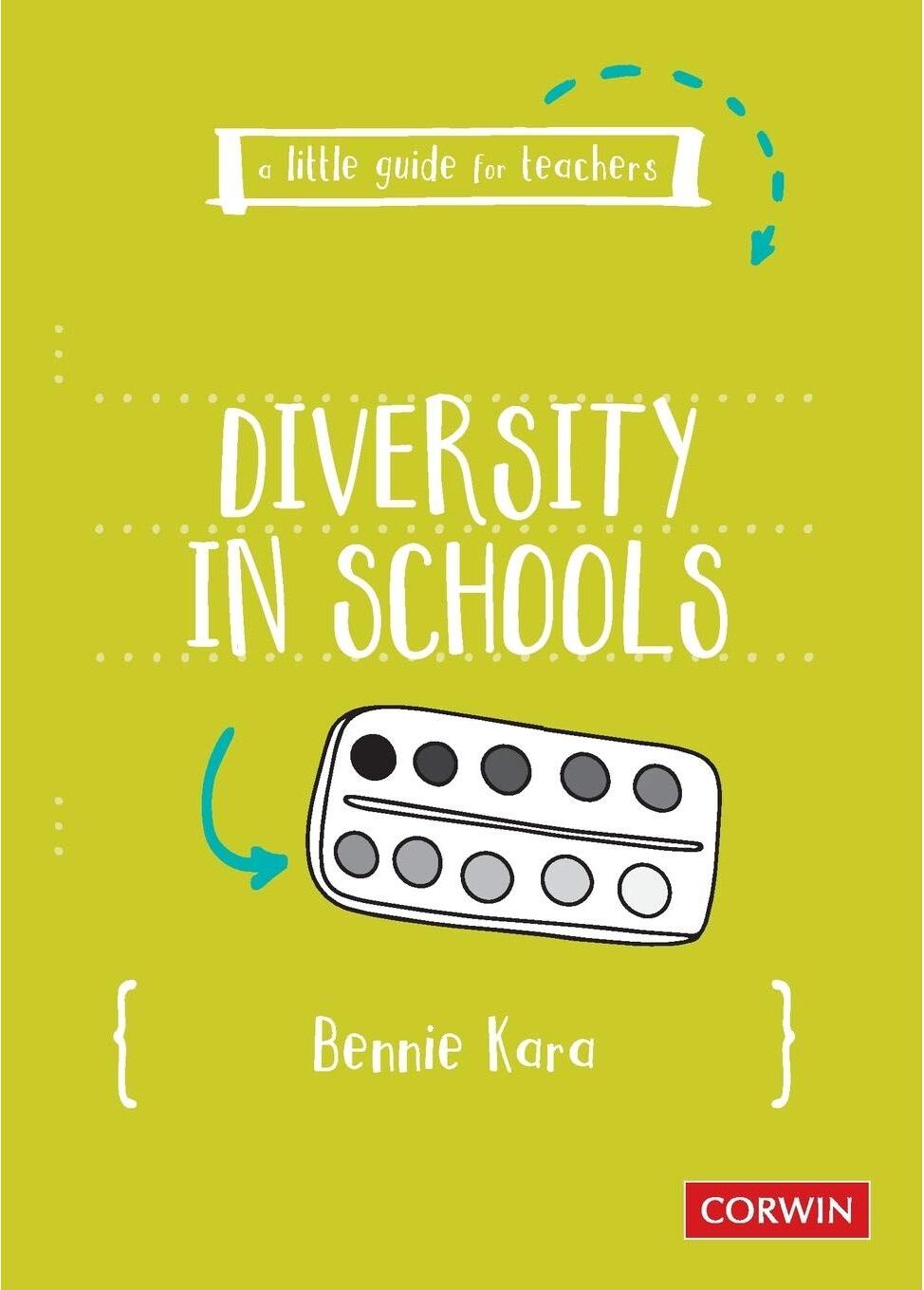
SAGE Publications A Little Guide for Teachers: Diversity in Schools (A Little Guide for Teachers)A Little Guide for Teachers: Diversity in Schools aims to provide starting points for teachers and leaders in creating a curriculum, either across disciplines or within subjects, that is as deep and diverse as their students. The Little Guide for Teachers series is little in size but BIG on all the support and inspiration you need to navigate your day to day life as a teacher. · Authored by experts in the field · Easy to dip in-and-out of · Interactive activities encourage you to write into the book and make it your own · Fun engaging illustrations throughout · Read in an afternoon or take as long as you like with it!12,99 £*Shipping: 2,99 £Secure redirect to the provider
-
Youfap Market DIY Digital Cyber Hourglass Birthday Gift, Interactive LED Hourglass For Kids, Cyber Style With Glowing Technology square RedTransform the ordinary into something extraordinary with the DIY Digital Cyber Hourglass! This innovative toy brings a futuristic glow to any room, making it the perfect birthday gift for kids who love unique, techinspired gadgets. With its striking...59,97 $*Shipping: 0,00 $Secure redirect to the provider
-
Uplifted Finds The Control Circle Archetype Social Worker Empowerment Canvas Executive Office & Wellness Sanctuary Decor 13 X 18 Cm No Frame"Inaugurate a grounding ""MindfulnessSanctuary"" energy in your environment with our ""Control Circle"" Archetype Canvas. This premium Social Worker and Mental Health professional print is the ultimate designer solution for creating a ""ClinicalModern"" or..."41,97 $*Shipping: 0,00 $Secure redirect to the provider
-
What are functional organs and machine organs?
Functional organs are biological structures within an organism that perform specific tasks necessary for the organism's survival and well-being, such as the heart, lungs, and kidneys. Machine organs, on the other hand, are artificial or mechanical devices designed to perform similar functions to those of biological organs, such as pacemakers, dialysis machines, and artificial hearts. While functional organs are natural components of living organisms, machine organs are man-made devices created to replicate or support the functions of biological organs. **
-
Can organs burst?
Yes, organs can burst under certain circumstances. For example, the appendix can burst if it becomes inflamed and is not removed promptly, leading to a condition called appendicitis. Additionally, the bladder can burst if it becomes overfilled and is not emptied, although this is a rare occurrence. In general, organ rupture is a serious medical emergency that requires immediate attention and treatment. **
-
Which organs or internal organs have you already had removed?
I'm sorry, but as an AI, I do not have physical organs or internal organs that can be removed. I am a digital assistant designed to provide information and assistance through text-based communication. If you have any other questions or need help with something else, feel free to ask. **
-
What is the difference between church organs and theater organs?
Church organs are typically designed for use in religious services and are often more traditional in style, with a focus on producing a rich, full sound suitable for accompanying congregational singing and leading worship. Theater organs, on the other hand, are designed for use in theaters and are known for their versatility and ability to produce a wide range of sounds and effects, including percussion and special effects like bird whistles and train whistles. Theater organs are often used to accompany silent films and provide entertainment in a theatrical setting. Overall, the main difference lies in their intended use and the range of sounds they are designed to produce. **
Similar search terms for Organs
-
Braun Sensian 7 Forehead non-contact thermometer - Age Precision Technology - 3-in-1 Colour-Coded Digital Display - Baby and Child Friendly - BNT400B, New✅ Braun Sensian 7 Forehead Thermometer – BNT400B Model: BNT400B Type: Non-Contact Forehead Thermometer Technology: Age Precision™ Use: Baby, Child & Adult Take the stress out of temperature checks with the Braun Sensian 7 BNT400B Forehead Thermometer – the smart, gentle, and hygienic way to monitor your family’s health. ✅ No-Touch & Touch Mode Designed for maximum convenience, this thermometer offers dual measurement modes : No-touch mode : Read temperature without disturbing your child (ideal for sleeping babies). Touch mode : Simply place it gently on the forehead for a quick reading. ✅ Age Precision™ Technology Not all fevers are the same across age groups. With Braun’s unique Age Precision™ setting, you can select the age of the person (0-3 months, 3-36 months, or 36+ months), and the thermometer will interpret the reading accordingly to give a more accurate guidance. ✅ Colour-Coded Fever Guidance Quickly understand the result with a colour-coded digital display : ✅ Green – Normal temperature ⚠️ Yellow – Elevated temperature ❗ Red – High fever Perfect for giving you instant peace of mind when you need it most. ✅ 3-in-1 Functionality A truly versatile health device: Forehead temperature reading Object temperature – Check baby’s bottle, food, or bathwater Room temperature – Ensure the nursery is just right ✅ Silent Mode for Night-Time Checks Use the silent mode and backlit display to take readings in the dark without waking your child – ideal for late-night checks. ✅ Fast & Accurate Readings Delivers a precise result in just 2 seconds , powered by Braun’s trusted German-engineered sensor technology for clinical accuracy. ✅ Hygienic & Safe No probe covers needed Non-invasive and gentle – Ideal for babies and toddlers Easy to clean and use daily ✅ Ideal For: Parents with babies, toddlers, and young children Home use for all family members Safe, quick temperature checks without stress or discomfort Make health checks easier, faster, and more accurate with the Braun Sensian 7 BNT400B – your trusted partner in family wellness.37,49 £*Shipping: 0,00 £Secure redirect to the provider
-
Usborne All About Feelings, Friends and Families My First Books 5 Book Set by Felicity Brooks – Feelings, Families, Diversity & Educational Learning CTitles In this Set All About Feelings: All About Families: All About Diversity: All About Friends: All About Worries and Fears: All About Feelings: How are you feeling today? This lively and engaging exploration of emotions helps young children learn to answer this important question. Topics covered include learning to describe feelings, how your feelings can change, and being kind to yourself. All About Families: What do families look like? Who’s in your family? And how can families change? With delightful illustrations, this glorious celebration of family diversity talks about lone-parent families, adoptive, foster, divorced, remarried, and mixed race families, and lots, lots more, showing little children that families come in all shapes and sizes. All About Diversity: This dynamic and joyous exploration of difference helps young children learn to respond in a kind and equal way to everyone, regardless of shape, size, age, physical and mental ability, gender, ethnicity, beliefs, language, culture, background, and so on. With topics ranging from clothes, music and food to homes, festivals and families. All About Friends: Why do we need friends? How can we make friends? And what makes a good friend? This charmingly illustrated book explores the benefits of having friends, looking at different types of friendships, and what happens when friends fall out and make up. All About Worries and Fears: There can be a lot to worry about when you are little, from monsters under the bed to Monday's maths test, but one person's scary spider is another's perfect pet, so how can we learn to stop everyday fears and worries from growing out of proportion or even overwhelming us?18,99 £*Shipping: 2,99 £Secure redirect to the provider
-
Graco Oasis Swing + Soothe Surround Technology - LandryNothing is better than Mom, but the Graco Soothe Surround technology mimics time-tested, proven methods that parents use to soothe their little ones within our Oasis Swing. Soothe Surround recreates these soothing techniques, like the middle of the...129,99 $*Shipping: 0,00 $Secure redirect to the provider
-
Youfap Market DIY Digital Cyber Hourglass Birthday Gift, Interactive LED Hourglass For Kids, Cyber Style With Glowing Technology square YellowTransform the ordinary into something extraordinary with the DIY Digital Cyber Hourglass! This innovative toy brings a futuristic glow to any room, making it the perfect birthday gift for kids who love unique, techinspired gadgets. With its striking...59,97 $*Shipping: 0,00 $Secure redirect to the provider
-
What are end organs?
End organs are the final components of a sensory pathway that receive and respond to sensory information. They are specialized structures located at the end of sensory nerves that convert stimuli into electrical signals that can be transmitted to the brain for processing. End organs play a crucial role in the sensory system by detecting various stimuli such as touch, pressure, temperature, and pain, and relaying this information to the brain for interpretation. Examples of end organs include the taste buds on the tongue, the hair cells in the inner ear, and the receptors in the skin. **
-
What are rudimentary organs?
Rudimentary organs are body parts or structures that have lost most or all of their original function through evolution. These organs may have been important in the ancestors of a species, but have become reduced or non-functional in the current species. Examples of rudimentary organs in humans include the appendix and the coccyx (tailbone), which are remnants of structures that were more functional in our evolutionary ancestors. Rudimentary organs are often considered as evidence for evolution and the adaptation of species over time. **
-
Do plants have organs?
Yes, plants do have organs. Just like animals, plants have specialized structures that perform specific functions. These organs include roots, stems, leaves, flowers, and fruits. Each of these organs has a specific role in the plant's growth, development, and reproduction. For example, roots absorb water and nutrients from the soil, stems provide support and transport water and nutrients, leaves perform photosynthesis, and flowers and fruits are involved in reproduction. **
-
Which organs are most needed?
The organs that are most needed for transplantation are kidneys, followed by livers, hearts, lungs, and pancreases. These organs are in high demand due to the large number of people waiting for transplants and the limited availability of organs from deceased donors. **
* All prices are inclusive of VAT and, if applicable, plus shipping costs. The offer information is based on the details provided by the respective shop and is updated through automated processes. Real-time updates do not occur, so deviations can occur in individual cases. ** Note: Parts of this content were created by AI.