Buy digi4equality.eu ?
We are moving the project
digi4equality.eu .
Are you interested in purchasing the domain
digi4equality.eu ?
domain@kv-gmbh.de · 0541-91531010
Buy digi4equality.eu ?
What are the differences between metal oxides and nonmetal oxides?
Metal oxides are compounds formed between a metal and oxygen, while nonmetal oxides are compounds formed between a nonmetal and oxygen. Metal oxides tend to be basic in nature, meaning they react with acids to form salts and water. Nonmetal oxides, on the other hand, tend to be acidic in nature, meaning they react with bases to form salts and water. Additionally, metal oxides typically have higher melting and boiling points compared to nonmetal oxides. **
What are the properties of metal oxides and nonmetal oxides?
Metal oxides are typically basic in nature, meaning they react with acids to form salts and water. They are also typically solid at room temperature and have high melting and boiling points. Nonmetal oxides, on the other hand, are usually acidic in nature, meaning they react with bases to form salts and water. They are often gases or liquids at room temperature and have lower melting and boiling points compared to metal oxides. Both types of oxides play important roles in various chemical reactions and industrial processes. **


Similar search terms for Oxides
Top-Angebote
Products related to Oxides:
-
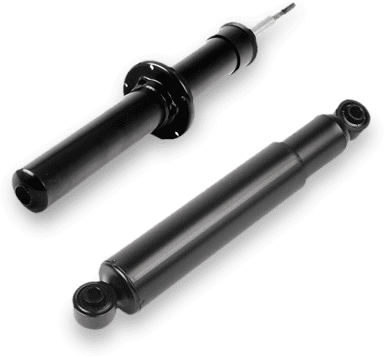
Magnum Technology AG0547MT Shock absorberShock Absorber Design: Suspension Strut; Shock Absorber System: Twin-Tube; Shock Absorber Type: Gas Pressure; Parameter: SFE30X; Fitting Position: Front Axle Right; Shock Absorber Mounting Type: Top pin; Suspension: for vehicles with standard suspension; for OE number: 54661-2L000, 54661-2L100, 54661-2L200, 54661-2L500, 54661-2L60051,99 £*Shipping: 8,45 £Secure redirect to the provider
-
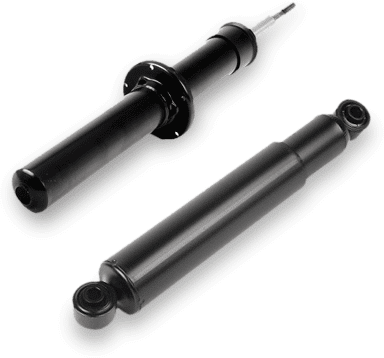
Magnum Technology M0122 Shock absorberFitting Position: Rear Axle, Front Axle Left, Front Axle Right; Shock Absorber Type: Oil Pressure; Shock Absorber Mounting Type: Top eye, Bottom eye; Length 2 [mm]: 520,8, 865,5; Shock Absorber Design: Telescopic Shock Absorber155,98 £*Shipping: 8,45 £Secure redirect to the provider
-
Magnum Technology APM025MT Shock absorberShock Absorber Type: Oil Pressure; Shock Absorber Mounting Type: Top yoke; Shock Absorber Design: Telescopic Shock Absorber; Fitting Position: Rear Axle Left; Vehicle Equipment Line/Trim Level: Airmatic; Braking/Driving Dynamics: for vehicles with ADS407,99 £*Shipping: 1,99 £Secure redirect to the provider

-
What are the differences between metal oxides and non-metal oxides?
Metal oxides are compounds formed between a metal and oxygen, while non-metal oxides are compounds formed between a non-metal and oxygen. Metal oxides tend to be basic in nature, meaning they react with acids to form salts and water, while non-metal oxides tend to be acidic, reacting with bases to form salts and water. Additionally, metal oxides typically have higher melting and boiling points compared to non-metal oxides. **
-
What is the difference between metal oxides and nonmetal oxides in chemistry?
Metal oxides are compounds formed between a metal and oxygen, while nonmetal oxides are compounds formed between a nonmetal and oxygen. Metal oxides tend to be basic in nature, meaning they react with acids to form salts and water. Nonmetal oxides, on the other hand, tend to be acidic in nature, meaning they react with bases to form salts and water. This difference in reactivity is due to the different chemical properties of metals and nonmetals. **
-
What is the difference between metal oxides and non-metal oxides in chemistry?
Metal oxides are compounds formed by the combination of a metal with oxygen, while non-metal oxides are compounds formed by the combination of a non-metal with oxygen. Metal oxides are generally basic in nature, meaning they react with acids to form salts and water. Non-metal oxides, on the other hand, are generally acidic in nature, meaning they react with bases to form salts and water. This difference in reactivity is due to the difference in electronegativity between metals and non-metals. **
-
Are non-metal oxides gaseous?
Non-metal oxides can exist in various states, including solid, liquid, and gaseous forms. Some non-metal oxides, such as carbon dioxide (CO2) and sulfur dioxide (SO2), are gaseous at room temperature and pressure. These gaseous non-metal oxides can play important roles in atmospheric chemistry and environmental processes. **


What are oxides in chemistry?
Oxides in chemistry are compounds that contain oxygen combined with another element. They can be formed by the reaction of oxygen with metals, nonmetals, or metalloids. Oxides can be acidic, basic, or amphoteric depending on the nature of the other element they are combined with. They play a crucial role in various chemical processes and are important in industries such as metallurgy, ceramics, and electronics. **
Where are metal oxides used?
Metal oxides are used in a wide range of applications, including as pigments in paints and ceramics, as catalysts in chemical reactions, and as components in electronic devices such as semiconductors and solar cells. They are also used in the production of metals, as abrasives in grinding and polishing, and as additives in materials such as glass and rubber. Additionally, metal oxides are utilized in the manufacturing of batteries and fuel cells, and in environmental applications such as wastewater treatment and air purification. **
Top-Angebote
Products related to Oxides:
-
SAGE Publications A Little Guide for Teachers: Diversity in Schools (A Little Guide for Teachers)A Little Guide for Teachers: Diversity in Schools aims to provide starting points for teachers and leaders in creating a curriculum, either across disciplines or within subjects, that is as deep and diverse as their students. The Little Guide for Teachers series is little in size but BIG on all the support and inspiration you need to navigate your day to day life as a teacher. · Authored by experts in the field · Easy to dip in-and-out of · Interactive activities encourage you to write into the book and make it your own · Fun engaging illustrations throughout · Read in an afternoon or take as long as you like with it!12,99 £*Shipping: 2,99 £Secure redirect to the provider
-
Youfap Market DIY Digital Cyber Hourglass Birthday Gift, Interactive LED Hourglass For Kids, Cyber Style With Glowing Technology square RedTransform the ordinary into something extraordinary with the DIY Digital Cyber Hourglass! This innovative toy brings a futuristic glow to any room, making it the perfect birthday gift for kids who love unique, techinspired gadgets. With its striking...59,97 $*Shipping: 0,00 $Secure redirect to the provider
-
Magnum Technology AG0547MT Shock absorberShock Absorber Design: Suspension Strut; Shock Absorber System: Twin-Tube; Shock Absorber Type: Gas Pressure; Parameter: SFE30X; Fitting Position: Front Axle Right; Shock Absorber Mounting Type: Top pin; Suspension: for vehicles with standard suspension; for OE number: 54661-2L000, 54661-2L100, 54661-2L200, 54661-2L500, 54661-2L60051,99 £*Shipping: 8,45 £Secure redirect to the provider
-
Magnum Technology M0122 Shock absorberFitting Position: Rear Axle, Front Axle Left, Front Axle Right; Shock Absorber Type: Oil Pressure; Shock Absorber Mounting Type: Top eye, Bottom eye; Length 2 [mm]: 520,8, 865,5; Shock Absorber Design: Telescopic Shock Absorber155,98 £*Shipping: 8,45 £Secure redirect to the provider
-
What are the differences between metal oxides and nonmetal oxides?
Metal oxides are compounds formed between a metal and oxygen, while nonmetal oxides are compounds formed between a nonmetal and oxygen. Metal oxides tend to be basic in nature, meaning they react with acids to form salts and water. Nonmetal oxides, on the other hand, tend to be acidic in nature, meaning they react with bases to form salts and water. Additionally, metal oxides typically have higher melting and boiling points compared to nonmetal oxides. **
-
What are the properties of metal oxides and nonmetal oxides?
Metal oxides are typically basic in nature, meaning they react with acids to form salts and water. They are also typically solid at room temperature and have high melting and boiling points. Nonmetal oxides, on the other hand, are usually acidic in nature, meaning they react with bases to form salts and water. They are often gases or liquids at room temperature and have lower melting and boiling points compared to metal oxides. Both types of oxides play important roles in various chemical reactions and industrial processes. **
-
What are the differences between metal oxides and non-metal oxides?
Metal oxides are compounds formed between a metal and oxygen, while non-metal oxides are compounds formed between a non-metal and oxygen. Metal oxides tend to be basic in nature, meaning they react with acids to form salts and water, while non-metal oxides tend to be acidic, reacting with bases to form salts and water. Additionally, metal oxides typically have higher melting and boiling points compared to non-metal oxides. **
-
What is the difference between metal oxides and nonmetal oxides in chemistry?
Metal oxides are compounds formed between a metal and oxygen, while nonmetal oxides are compounds formed between a nonmetal and oxygen. Metal oxides tend to be basic in nature, meaning they react with acids to form salts and water. Nonmetal oxides, on the other hand, tend to be acidic in nature, meaning they react with bases to form salts and water. This difference in reactivity is due to the different chemical properties of metals and nonmetals. **
Similar search terms for Oxides
-
Magnum Technology APM025MT Shock absorberShock Absorber Type: Oil Pressure; Shock Absorber Mounting Type: Top yoke; Shock Absorber Design: Telescopic Shock Absorber; Fitting Position: Rear Axle Left; Vehicle Equipment Line/Trim Level: Airmatic; Braking/Driving Dynamics: for vehicles with ADS407,99 £*Shipping: 1,99 £Secure redirect to the provider
-
Magnum Technology SB132 Coil springFitting Position: Rear Axle; Parameter: E; Spring Design: Coil Spring; Thickness 1 [mm]: 13,2; Outer Diameter [mm]: 121; Length [mm]: 377; Diameter: 13,25; Vehicle Equipment: for vehicles with trailer hitch; Suspension: for vehicles without sports suspension99,98 £*Shipping: 8,45 £Secure redirect to the provider
-
Youfap Market DIY Digital Cyber Hourglass Birthday Gift, Interactive LED Hourglass For Kids, Cyber Style With Glowing Technology square BlueTransform the ordinary into something extraordinary with the DIY Digital Cyber Hourglass! This innovative toy brings a futuristic glow to any room, making it the perfect birthday gift for kids who love unique, techinspired gadgets. With its striking...59,97 $*Shipping: 0,00 $Secure redirect to the provider
-
What is the difference between metal oxides and non-metal oxides in chemistry?
Metal oxides are compounds formed by the combination of a metal with oxygen, while non-metal oxides are compounds formed by the combination of a non-metal with oxygen. Metal oxides are generally basic in nature, meaning they react with acids to form salts and water. Non-metal oxides, on the other hand, are generally acidic in nature, meaning they react with bases to form salts and water. This difference in reactivity is due to the difference in electronegativity between metals and non-metals. **
-
Are non-metal oxides gaseous?
Non-metal oxides can exist in various states, including solid, liquid, and gaseous forms. Some non-metal oxides, such as carbon dioxide (CO2) and sulfur dioxide (SO2), are gaseous at room temperature and pressure. These gaseous non-metal oxides can play important roles in atmospheric chemistry and environmental processes. **
-
What are oxides in chemistry?
Oxides in chemistry are compounds that contain oxygen combined with another element. They can be formed by the reaction of oxygen with metals, nonmetals, or metalloids. Oxides can be acidic, basic, or amphoteric depending on the nature of the other element they are combined with. They play a crucial role in various chemical processes and are important in industries such as metallurgy, ceramics, and electronics. **
-
Where are metal oxides used?
Metal oxides are used in a wide range of applications, including as pigments in paints and ceramics, as catalysts in chemical reactions, and as components in electronic devices such as semiconductors and solar cells. They are also used in the production of metals, as abrasives in grinding and polishing, and as additives in materials such as glass and rubber. Additionally, metal oxides are utilized in the manufacturing of batteries and fuel cells, and in environmental applications such as wastewater treatment and air purification. **
* All prices are inclusive of VAT and, if applicable, plus shipping costs. The offer information is based on the details provided by the respective shop and is updated through automated processes. Real-time updates do not occur, so deviations can occur in individual cases. ** Note: Parts of this content were created by AI.