Buy digi4equality.eu ?
We are moving the project
digi4equality.eu .
Are you interested in purchasing the domain
digi4equality.eu ?
domain@kv-gmbh.de · 0541-91531010
Buy digi4equality.eu ?
What is a Rode PodMic?
The Rode PodMic is a dynamic microphone designed for podcasting, broadcasting, and voiceover applications. It features a tailored frequency response to capture clear and rich vocal recordings, with a built-in pop filter to minimize plosives and a tight cardioid polar pattern to reduce background noise. The PodMic is built with a durable all-metal construction and includes an integrated shock mount to minimize vibrations and handling noise. It is compatible with most microphone stands and boom arms, making it a popular choice for content creators and broadcasters. **
Is there a microphone arm for the Rode PodMic?
Yes, there are several microphone arms that are compatible with the Rode PodMic. Some popular options include the Rode PSA1 Swivel Mount Studio Microphone Boom Arm and the Heil Sound PL-2T Overhead Broadcast Boom. These microphone arms are designed to securely hold the Rode PodMic in place while allowing for easy adjustment and positioning during recording or broadcasting sessions. **

Similar search terms for PodMic
Top-Angebote
Products related to PodMic:
-
Magnum Technology AG0547MT Shock absorberShock Absorber Design: Suspension Strut; Shock Absorber System: Twin-Tube; Shock Absorber Type: Gas Pressure; Parameter: SFE30X; Fitting Position: Front Axle Right; Shock Absorber Mounting Type: Top pin; Suspension: for vehicles with standard suspension; for OE number: 54661-2L000, 54661-2L100, 54661-2L200, 54661-2L500, 54661-2L60051,99 £*Shipping: 8,45 £Secure redirect to the provider
-
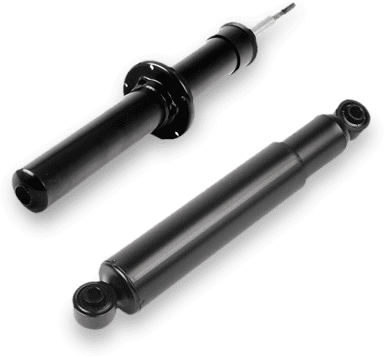
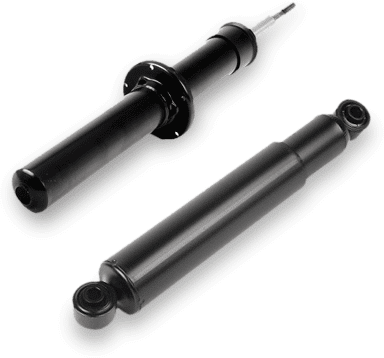
Magnum Technology M0122 Shock absorberFitting Position: Rear Axle, Front Axle Left, Front Axle Right; Shock Absorber Type: Oil Pressure; Shock Absorber Mounting Type: Top eye, Bottom eye; Length 2 [mm]: 520,8, 865,5; Shock Absorber Design: Telescopic Shock Absorber155,98 £*Shipping: 8,45 £Secure redirect to the provider
-
Magnum Technology APM025MT Shock absorberShock Absorber Type: Oil Pressure; Shock Absorber Mounting Type: Top yoke; Shock Absorber Design: Telescopic Shock Absorber; Fitting Position: Rear Axle Left; Vehicle Equipment Line/Trim Level: Airmatic; Braking/Driving Dynamics: for vehicles with ADS407,99 £*Shipping: 1,99 £Secure redirect to the provider

-
How can you operate the Podmic without a mixer?
You can operate the Podmic without a mixer by using a USB audio interface or a digital recorder that has a built-in preamp. Simply connect the Podmic directly to the USB audio interface or digital recorder using an XLR cable, and adjust the input gain on the interface or recorder to achieve the desired recording level. This allows you to bypass the need for a separate mixer and still capture high-quality audio from the Podmic. **
-
Should I use an interface or a mixer for the Podmic?
For the Podmic, it is recommended to use an audio interface rather than a mixer. An audio interface is designed to convert analog audio signals into digital data that can be processed by a computer, providing high-quality sound and low latency. On the other hand, a mixer is more suitable for blending multiple audio sources and controlling their levels, which may not be necessary for a single microphone setup like the Podmic. Additionally, using an audio interface allows for more precise control over the input levels and can provide better overall sound quality for recording or live streaming. **
-
What is the difference between the Rode PodMic and the AT2020?
The Rode PodMic and the AT2020 are both popular microphones, but they have some key differences. The Rode PodMic is a dynamic microphone, which means it is more rugged and better at handling loud sound sources, making it ideal for podcasting and broadcasting. On the other hand, the AT2020 is a condenser microphone, which is more sensitive and captures a wider range of frequencies, making it suitable for recording vocals and instruments in a studio setting. Additionally, the Rode PodMic has a built-in pop filter and a tighter polar pattern, while the AT2020 has a wider frequency response and a more neutral sound. **
-
What is the difference between the Rode PodMic and the Rode Procaster?
The Rode PodMic and the Rode Procaster are both dynamic microphones designed for broadcasting and podcasting. The main difference between the two is their intended use and design. The PodMic is more compact and lightweight, making it ideal for mounting on a boom arm or a microphone stand. On the other hand, the Procaster is larger and heavier, with a built-in pop filter and shock mount, making it better suited for professional studio settings where sound isolation is important. Additionally, the Procaster has a slightly wider frequency response range compared to the PodMic, resulting in a more detailed and nuanced sound capture. **


Do you need a Fetthead for the Rode PodMic on the GoXLR?
No, you do not need a Fetthead for the Rode PodMic when using it with the GoXLR. The GoXLR has built-in preamps that provide sufficient gain for the Rode PodMic, so an additional Fetthead is not necessary. Simply connect the Rode PodMic directly to the GoXLR using an XLR cable and adjust the gain settings on the GoXLR as needed for optimal performance. **
What is the difference between the Rode PodMic and the Rode NT1-A?
The Rode PodMic is a dynamic microphone designed specifically for podcasting and broadcasting, with a tailored frequency response for speech. It is more focused on capturing the human voice and rejecting background noise. On the other hand, the Rode NT1-A is a large-diaphragm condenser microphone known for its versatility and ability to capture a wide range of sounds with high detail and clarity. It is often used for recording vocals, instruments, and other audio sources in a studio setting. The NT1-A requires phantom power to operate, while the PodMic does not. **
Top-Angebote
Products related to PodMic:
-
SAGE Publications A Little Guide for Teachers: Diversity in Schools (A Little Guide for Teachers)A Little Guide for Teachers: Diversity in Schools aims to provide starting points for teachers and leaders in creating a curriculum, either across disciplines or within subjects, that is as deep and diverse as their students. The Little Guide for Teachers series is little in size but BIG on all the support and inspiration you need to navigate your day to day life as a teacher. · Authored by experts in the field · Easy to dip in-and-out of · Interactive activities encourage you to write into the book and make it your own · Fun engaging illustrations throughout · Read in an afternoon or take as long as you like with it!12,99 £*Shipping: 2,99 £Secure redirect to the provider
-
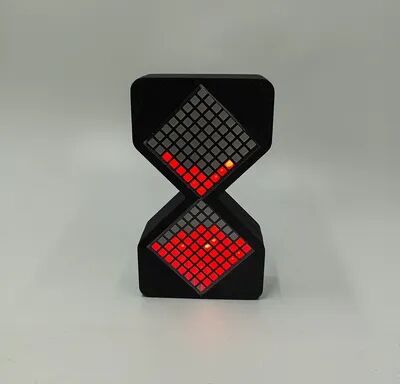
Youfap Market DIY Digital Cyber Hourglass Birthday Gift, Interactive LED Hourglass For Kids, Cyber Style With Glowing Technology square RedTransform the ordinary into something extraordinary with the DIY Digital Cyber Hourglass! This innovative toy brings a futuristic glow to any room, making it the perfect birthday gift for kids who love unique, techinspired gadgets. With its striking...59,97 $*Shipping: 0,00 $Secure redirect to the provider
-
Magnum Technology AG0547MT Shock absorberShock Absorber Design: Suspension Strut; Shock Absorber System: Twin-Tube; Shock Absorber Type: Gas Pressure; Parameter: SFE30X; Fitting Position: Front Axle Right; Shock Absorber Mounting Type: Top pin; Suspension: for vehicles with standard suspension; for OE number: 54661-2L000, 54661-2L100, 54661-2L200, 54661-2L500, 54661-2L60051,99 £*Shipping: 8,45 £Secure redirect to the provider
-
Magnum Technology M0122 Shock absorberFitting Position: Rear Axle, Front Axle Left, Front Axle Right; Shock Absorber Type: Oil Pressure; Shock Absorber Mounting Type: Top eye, Bottom eye; Length 2 [mm]: 520,8, 865,5; Shock Absorber Design: Telescopic Shock Absorber155,98 £*Shipping: 8,45 £Secure redirect to the provider
-
What is a Rode PodMic?
The Rode PodMic is a dynamic microphone designed for podcasting, broadcasting, and voiceover applications. It features a tailored frequency response to capture clear and rich vocal recordings, with a built-in pop filter to minimize plosives and a tight cardioid polar pattern to reduce background noise. The PodMic is built with a durable all-metal construction and includes an integrated shock mount to minimize vibrations and handling noise. It is compatible with most microphone stands and boom arms, making it a popular choice for content creators and broadcasters. **
-
Is there a microphone arm for the Rode PodMic?
Yes, there are several microphone arms that are compatible with the Rode PodMic. Some popular options include the Rode PSA1 Swivel Mount Studio Microphone Boom Arm and the Heil Sound PL-2T Overhead Broadcast Boom. These microphone arms are designed to securely hold the Rode PodMic in place while allowing for easy adjustment and positioning during recording or broadcasting sessions. **
-
How can you operate the Podmic without a mixer?
You can operate the Podmic without a mixer by using a USB audio interface or a digital recorder that has a built-in preamp. Simply connect the Podmic directly to the USB audio interface or digital recorder using an XLR cable, and adjust the input gain on the interface or recorder to achieve the desired recording level. This allows you to bypass the need for a separate mixer and still capture high-quality audio from the Podmic. **
-
Should I use an interface or a mixer for the Podmic?
For the Podmic, it is recommended to use an audio interface rather than a mixer. An audio interface is designed to convert analog audio signals into digital data that can be processed by a computer, providing high-quality sound and low latency. On the other hand, a mixer is more suitable for blending multiple audio sources and controlling their levels, which may not be necessary for a single microphone setup like the Podmic. Additionally, using an audio interface allows for more precise control over the input levels and can provide better overall sound quality for recording or live streaming. **
Similar search terms for PodMic
-
Magnum Technology APM025MT Shock absorberShock Absorber Type: Oil Pressure; Shock Absorber Mounting Type: Top yoke; Shock Absorber Design: Telescopic Shock Absorber; Fitting Position: Rear Axle Left; Vehicle Equipment Line/Trim Level: Airmatic; Braking/Driving Dynamics: for vehicles with ADS407,99 £*Shipping: 1,99 £Secure redirect to the provider
-
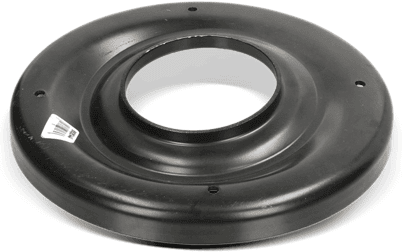
Magnum Technology SB132 Coil springFitting Position: Rear Axle; Parameter: E; Spring Design: Coil Spring; Thickness 1 [mm]: 13,2; Outer Diameter [mm]: 121; Length [mm]: 377; Diameter: 13,25; Vehicle Equipment: for vehicles with trailer hitch; Suspension: for vehicles without sports suspension99,98 £*Shipping: 8,45 £Secure redirect to the provider
-
Youfap Market DIY Digital Cyber Hourglass Birthday Gift, Interactive LED Hourglass For Kids, Cyber Style With Glowing Technology square YellowTransform the ordinary into something extraordinary with the DIY Digital Cyber Hourglass! This innovative toy brings a futuristic glow to any room, making it the perfect birthday gift for kids who love unique, techinspired gadgets. With its striking...59,97 $*Shipping: 0,00 $Secure redirect to the provider
-
What is the difference between the Rode PodMic and the AT2020?
The Rode PodMic and the AT2020 are both popular microphones, but they have some key differences. The Rode PodMic is a dynamic microphone, which means it is more rugged and better at handling loud sound sources, making it ideal for podcasting and broadcasting. On the other hand, the AT2020 is a condenser microphone, which is more sensitive and captures a wider range of frequencies, making it suitable for recording vocals and instruments in a studio setting. Additionally, the Rode PodMic has a built-in pop filter and a tighter polar pattern, while the AT2020 has a wider frequency response and a more neutral sound. **
-
What is the difference between the Rode PodMic and the Rode Procaster?
The Rode PodMic and the Rode Procaster are both dynamic microphones designed for broadcasting and podcasting. The main difference between the two is their intended use and design. The PodMic is more compact and lightweight, making it ideal for mounting on a boom arm or a microphone stand. On the other hand, the Procaster is larger and heavier, with a built-in pop filter and shock mount, making it better suited for professional studio settings where sound isolation is important. Additionally, the Procaster has a slightly wider frequency response range compared to the PodMic, resulting in a more detailed and nuanced sound capture. **
-
Do you need a Fetthead for the Rode PodMic on the GoXLR?
No, you do not need a Fetthead for the Rode PodMic when using it with the GoXLR. The GoXLR has built-in preamps that provide sufficient gain for the Rode PodMic, so an additional Fetthead is not necessary. Simply connect the Rode PodMic directly to the GoXLR using an XLR cable and adjust the gain settings on the GoXLR as needed for optimal performance. **
-
What is the difference between the Rode PodMic and the Rode NT1-A?
The Rode PodMic is a dynamic microphone designed specifically for podcasting and broadcasting, with a tailored frequency response for speech. It is more focused on capturing the human voice and rejecting background noise. On the other hand, the Rode NT1-A is a large-diaphragm condenser microphone known for its versatility and ability to capture a wide range of sounds with high detail and clarity. It is often used for recording vocals, instruments, and other audio sources in a studio setting. The NT1-A requires phantom power to operate, while the PodMic does not. **
* All prices are inclusive of VAT and, if applicable, plus shipping costs. The offer information is based on the details provided by the respective shop and is updated through automated processes. Real-time updates do not occur, so deviations can occur in individual cases. ** Note: Parts of this content were created by AI.