Buy digi4equality.eu ?
We are moving the project
digi4equality.eu .
Are you interested in purchasing the domain
digi4equality.eu ?
domain@kv-gmbh.de · 0541-91531010
Buy digi4equality.eu ?
Is suspension polymerization a radical polymerization?
Yes, suspension polymerization is a type of radical polymerization. In suspension polymerization, monomers are dispersed in a liquid phase and polymerization is initiated by free radicals. These free radicals are typically generated through the use of initiators, such as peroxides, which break down to form reactive species that initiate the polymerization process. The formation of polymer chains through the addition of monomers to these radicals is a characteristic feature of radical polymerization. **
What is the difference between polymerization and radical polymerization?
Polymerization is the process of combining small molecules (monomers) to form a large molecule (polymer). Radical polymerization is a type of polymerization that involves the use of free radicals to initiate the polymerization reaction. The main difference between polymerization and radical polymerization is the mechanism of initiation. In polymerization, the reaction can be initiated by various methods such as heat, light, or a catalyst, while radical polymerization specifically involves the use of free radicals to start the reaction. Radical polymerization is often used to produce polymers with specific properties, such as high flexibility or toughness. **

Similar search terms for Polymerization
Top-Angebote
Products related to Polymerization:
-
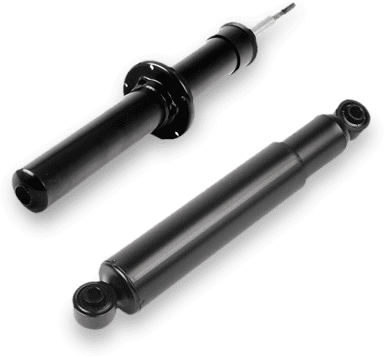
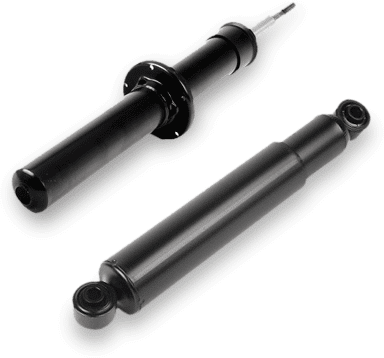
Magnum Technology AG0547MT Shock absorberShock Absorber Design: Suspension Strut; Shock Absorber System: Twin-Tube; Shock Absorber Type: Gas Pressure; Parameter: SFE30X; Fitting Position: Front Axle Right; Shock Absorber Mounting Type: Top pin; Suspension: for vehicles with standard suspension; for OE number: 54661-2L000, 54661-2L100, 54661-2L200, 54661-2L500, 54661-2L60051,99 £*Shipping: 8,45 £Secure redirect to the provider
-
Magnum Technology M0122 Shock absorberFitting Position: Rear Axle, Front Axle Left, Front Axle Right; Shock Absorber Type: Oil Pressure; Shock Absorber Mounting Type: Top eye, Bottom eye; Length 2 [mm]: 520,8, 865,5; Shock Absorber Design: Telescopic Shock Absorber155,98 £*Shipping: 8,45 £Secure redirect to the provider
-
Magnum Technology APM025MT Shock absorberShock Absorber Type: Oil Pressure; Shock Absorber Mounting Type: Top yoke; Shock Absorber Design: Telescopic Shock Absorber; Fitting Position: Rear Axle Left; Vehicle Equipment Line/Trim Level: Airmatic; Braking/Driving Dynamics: for vehicles with ADS407,99 £*Shipping: 1,99 £Secure redirect to the provider

-
What are branches in radical polymerization?
Branches in radical polymerization refer to side chains that extend from the main polymer chain. These side chains can result from the presence of branching agents or from chain transfer reactions during the polymerization process. Branches can affect the properties of the polymer, such as its mechanical strength, flexibility, and thermal properties. Controlling the branching in radical polymerization is important for tailoring the properties of the final polymer product. **
-
How does the polymerization of polystyrene occur?
Polystyrene polymerization occurs through a process called chain-growth polymerization. This process involves the repeated addition of monomer units (styrene molecules) to a growing polymer chain. It is initiated by a catalyst or initiator, which starts the reaction by breaking a chemical bond in the monomer. This creates a reactive site that can then bond with another monomer, leading to the formation of a polymer chain. As more and more monomers are added, the polymer chain grows in length, resulting in the formation of polystyrene. **
-
What is the difference between polymerization and polycondensation?
Polymerization is a process where monomers are chemically bonded together to form a polymer without the formation of any byproducts. On the other hand, polycondensation is a specific type of polymerization where the reaction involves the elimination of small molecules, such as water or alcohol, as byproducts. This means that in polycondensation, the polymer is formed through the condensation of two different functional groups, leading to the release of a small molecule. **
-
How can branching occur in a radical polymerization?
Branching can occur in radical polymerization when a polymer chain reacts with a monomer to form a new chain, resulting in the formation of a branch point. This can happen when a growing polymer chain reacts with a monomer that has multiple reactive sites, leading to the formation of a branch. Additionally, termination reactions can also lead to branching when two growing polymer chains react with each other, forming a branched structure. Branching can impact the properties of the polymer, such as its mechanical and thermal properties, and can be controlled by adjusting the reaction conditions and monomer structure. **

How do you summon Quintet Magician with Ultra Polymerization?
To summon Quintet Magician with Ultra Polymerization, you need to send 5 Fusion Materials from your hand, field, and/or Deck to the Graveyard. These Fusion Materials must be specifically listed on Quintet Magician's card. Once you have sent the required Fusion Materials to the Graveyard, you can activate Ultra Polymerization from your hand, Fusion Summoning Quintet Magician by banishing the Fusion Materials from your Graveyard. **
What is the difference between anionic and cationic polymerization?
Anionic polymerization involves the initiation of polymerization by a negatively charged species, such as an anion, while cationic polymerization is initiated by a positively charged species, such as a cation. Anionic polymerization typically requires low temperatures and anhydrous conditions, while cationic polymerization can occur at room temperature and in the presence of moisture. Additionally, anionic polymerization tends to be more versatile in terms of monomer selection and can produce polymers with more controlled structures compared to cationic polymerization. **
Top-Angebote
Products related to Polymerization:
-
SAGE Publications A Little Guide for Teachers: Diversity in Schools (A Little Guide for Teachers)A Little Guide for Teachers: Diversity in Schools aims to provide starting points for teachers and leaders in creating a curriculum, either across disciplines or within subjects, that is as deep and diverse as their students. The Little Guide for Teachers series is little in size but BIG on all the support and inspiration you need to navigate your day to day life as a teacher. · Authored by experts in the field · Easy to dip in-and-out of · Interactive activities encourage you to write into the book and make it your own · Fun engaging illustrations throughout · Read in an afternoon or take as long as you like with it!12,99 £*Shipping: 2,99 £Secure redirect to the provider
-
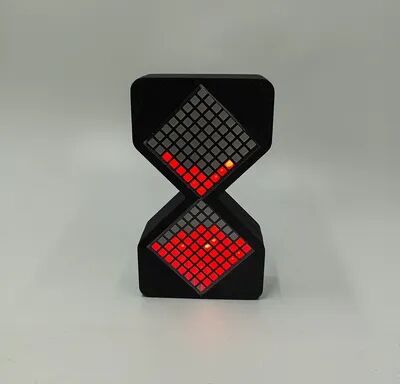
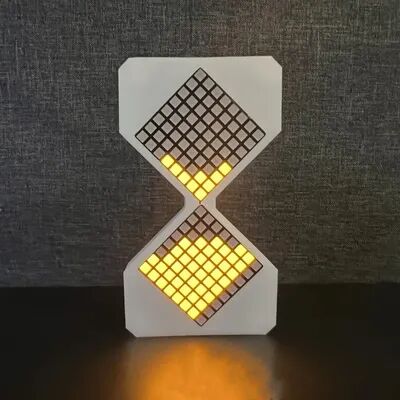
Youfap Market DIY Digital Cyber Hourglass Birthday Gift, Interactive LED Hourglass For Kids, Cyber Style With Glowing Technology square RedTransform the ordinary into something extraordinary with the DIY Digital Cyber Hourglass! This innovative toy brings a futuristic glow to any room, making it the perfect birthday gift for kids who love unique, techinspired gadgets. With its striking...59,97 $*Shipping: 0,00 $Secure redirect to the provider
-
Magnum Technology AG0547MT Shock absorberShock Absorber Design: Suspension Strut; Shock Absorber System: Twin-Tube; Shock Absorber Type: Gas Pressure; Parameter: SFE30X; Fitting Position: Front Axle Right; Shock Absorber Mounting Type: Top pin; Suspension: for vehicles with standard suspension; for OE number: 54661-2L000, 54661-2L100, 54661-2L200, 54661-2L500, 54661-2L60051,99 £*Shipping: 8,45 £Secure redirect to the provider
-
Magnum Technology M0122 Shock absorberFitting Position: Rear Axle, Front Axle Left, Front Axle Right; Shock Absorber Type: Oil Pressure; Shock Absorber Mounting Type: Top eye, Bottom eye; Length 2 [mm]: 520,8, 865,5; Shock Absorber Design: Telescopic Shock Absorber155,98 £*Shipping: 8,45 £Secure redirect to the provider
-
Is suspension polymerization a radical polymerization?
Yes, suspension polymerization is a type of radical polymerization. In suspension polymerization, monomers are dispersed in a liquid phase and polymerization is initiated by free radicals. These free radicals are typically generated through the use of initiators, such as peroxides, which break down to form reactive species that initiate the polymerization process. The formation of polymer chains through the addition of monomers to these radicals is a characteristic feature of radical polymerization. **
-
What is the difference between polymerization and radical polymerization?
Polymerization is the process of combining small molecules (monomers) to form a large molecule (polymer). Radical polymerization is a type of polymerization that involves the use of free radicals to initiate the polymerization reaction. The main difference between polymerization and radical polymerization is the mechanism of initiation. In polymerization, the reaction can be initiated by various methods such as heat, light, or a catalyst, while radical polymerization specifically involves the use of free radicals to start the reaction. Radical polymerization is often used to produce polymers with specific properties, such as high flexibility or toughness. **
-
What are branches in radical polymerization?
Branches in radical polymerization refer to side chains that extend from the main polymer chain. These side chains can result from the presence of branching agents or from chain transfer reactions during the polymerization process. Branches can affect the properties of the polymer, such as its mechanical strength, flexibility, and thermal properties. Controlling the branching in radical polymerization is important for tailoring the properties of the final polymer product. **
-
How does the polymerization of polystyrene occur?
Polystyrene polymerization occurs through a process called chain-growth polymerization. This process involves the repeated addition of monomer units (styrene molecules) to a growing polymer chain. It is initiated by a catalyst or initiator, which starts the reaction by breaking a chemical bond in the monomer. This creates a reactive site that can then bond with another monomer, leading to the formation of a polymer chain. As more and more monomers are added, the polymer chain grows in length, resulting in the formation of polystyrene. **
Similar search terms for Polymerization
-
Magnum Technology APM025MT Shock absorberShock Absorber Type: Oil Pressure; Shock Absorber Mounting Type: Top yoke; Shock Absorber Design: Telescopic Shock Absorber; Fitting Position: Rear Axle Left; Vehicle Equipment Line/Trim Level: Airmatic; Braking/Driving Dynamics: for vehicles with ADS407,99 £*Shipping: 1,99 £Secure redirect to the provider
-
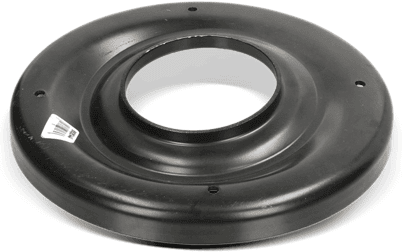
Magnum Technology SB132 Coil springFitting Position: Rear Axle; Parameter: E; Spring Design: Coil Spring; Thickness 1 [mm]: 13,2; Outer Diameter [mm]: 121; Length [mm]: 377; Diameter: 13,25; Vehicle Equipment: for vehicles with trailer hitch; Suspension: for vehicles without sports suspension99,98 £*Shipping: 8,45 £Secure redirect to the provider
-
Youfap Market DIY Digital Cyber Hourglass Birthday Gift, Interactive LED Hourglass For Kids, Cyber Style With Glowing Technology square YellowTransform the ordinary into something extraordinary with the DIY Digital Cyber Hourglass! This innovative toy brings a futuristic glow to any room, making it the perfect birthday gift for kids who love unique, techinspired gadgets. With its striking...59,97 $*Shipping: 0,00 $Secure redirect to the provider
-
What is the difference between polymerization and polycondensation?
Polymerization is a process where monomers are chemically bonded together to form a polymer without the formation of any byproducts. On the other hand, polycondensation is a specific type of polymerization where the reaction involves the elimination of small molecules, such as water or alcohol, as byproducts. This means that in polycondensation, the polymer is formed through the condensation of two different functional groups, leading to the release of a small molecule. **
-
How can branching occur in a radical polymerization?
Branching can occur in radical polymerization when a polymer chain reacts with a monomer to form a new chain, resulting in the formation of a branch point. This can happen when a growing polymer chain reacts with a monomer that has multiple reactive sites, leading to the formation of a branch. Additionally, termination reactions can also lead to branching when two growing polymer chains react with each other, forming a branched structure. Branching can impact the properties of the polymer, such as its mechanical and thermal properties, and can be controlled by adjusting the reaction conditions and monomer structure. **
-
How do you summon Quintet Magician with Ultra Polymerization?
To summon Quintet Magician with Ultra Polymerization, you need to send 5 Fusion Materials from your hand, field, and/or Deck to the Graveyard. These Fusion Materials must be specifically listed on Quintet Magician's card. Once you have sent the required Fusion Materials to the Graveyard, you can activate Ultra Polymerization from your hand, Fusion Summoning Quintet Magician by banishing the Fusion Materials from your Graveyard. **
-
What is the difference between anionic and cationic polymerization?
Anionic polymerization involves the initiation of polymerization by a negatively charged species, such as an anion, while cationic polymerization is initiated by a positively charged species, such as a cation. Anionic polymerization typically requires low temperatures and anhydrous conditions, while cationic polymerization can occur at room temperature and in the presence of moisture. Additionally, anionic polymerization tends to be more versatile in terms of monomer selection and can produce polymers with more controlled structures compared to cationic polymerization. **
* All prices are inclusive of VAT and, if applicable, plus shipping costs. The offer information is based on the details provided by the respective shop and is updated through automated processes. Real-time updates do not occur, so deviations can occur in individual cases. ** Note: Parts of this content were created by AI.